
How Does Hearing Loss Impact Outdoor Socializing and Family Gatherings?
If you’ve been to a summer concert at Island Park in Springfield,
By: Richard Swanson, BC-HIS | June 25, 2026
If you’ve ever felt like your hearing was “off” during a bout of spring allergies or after a cold front rolled through, you’re not imagining things. Weather and seasonal changes can have a real, if temporary, effect on how clearly you hear.
Sinus pressure, fluid buildup in the ear, swollen nasal passages and even shifts in barometric pressure can all muffle sound or create a sensation of fullness in the ears.
For those of us living in the Willamette Valley, where the seasons bring everything from wet winters to high pollen counts in spring, these kinds of changes are just part of life here.
If you come in for a test while you’re dealing with a sinus flare-up or your allergies are in full swing, we’ll take that into account and may recommend a follow-up to get the clearest picture of your hearing health.
The air around us is always exerting pressure on our bodies, even when we don’t notice it. When you drive up into the mountains or board a flight, that pressure drops quickly, creating a temporary imbalance between the air in the room and the air inside your ears.
That difference pushes against the eardrum, which can leave you with a stuffed or full feeling that temporarily dulls your hearing. Most of the time it clears up once your body adjusts or you return to lower ground.
The same thing can happen closer to home when a storm front moves in. Before the rain even starts, barometric pressure drops and creates a mismatch with the pressure inside your middle ear.
Your Eustachian tubes, which work like small pressure-release valves, have to work to even things out so your eardrum can vibrate normally.
When they can’t keep up with a fast-moving weather change, you might notice a popping sensation, mild discomfort or that familiar clogged feeling. These localized changes generally clear up naturally once the environment stabilizes and settles.
The lush, damp environment of the Willamette Valley makes it a beautiful place to live, but the region is also famous for producing some of the highest pollen counts in the nation.
Grasses, trees and local crops release a lot of airborne particles here, and for many people, that means intense seasonal allergies. When your immune system reacts, the tissues in your nasal passages and sinuses swell up.
This widespread inflammation quickly reaches the upper throat where the Eustachian tubes open, making it difficult for the ears to ventilate and drain naturally.
As a result of this regional climate trigger, fluid can accumulate behind the eardrum, creating a heavy, waterlogged sensation. This buildup creates a physical barrier that stops sound waves from traveling smoothly through the middle ear structures.
You might struggle to follow conversations or hear in a crowd until the congestion clears. Since the damp valley air stretches out pollination season, that muffled feeling can linger for weeks and feel like a permanent change when it isn’t.
When you have a cold or the flu, congestion and fluid can build up behind the eardrum and muffle everything around you. It’s temporary, but it’s real, and it will show up in your test results.
If you’re in the middle of a sinus infection or still blowing your nose every ten minutes, it’s worth rescheduling. Testing while you’re sick gives your audiologist a snapshot of your congestion, not your hearing.
Consider the following symptoms to determine if you need to reschedule your visit:
Loud wind or heavy traffic on the way to your appointment can temporarily wear out your hearing. The hair cells in your inner ear work hard to process intense noise, and that strain can leave them less responsive to softer sounds for a few hours.
If you walk straight into a sound booth after that kind of exposure, your results may show more difficulty than you’d have on a typical quiet day.
To prevent this distortion, planning a brief quiet period before your evaluation makes a substantial difference. Minimizing your exposure to loud volumes for at least an hour before you arrive gives the delicate inner ear structures time to rest and recover.
Ensuring your ears are relaxed and rested when the assessment begins allows the specialist to capture a true baseline of your everyday capabilities.
Walking in from freezing wind or a sweltering summer afternoon affects you more than you might think.
Cold air causes the blood vessels in your ears to constrict, leaving them numb or tingly, while heat can leave you restless and distracted by the time you sit down. Neither is a great starting point for a test that requires you to focus on very faint sounds.
A hearing evaluation takes real concentration, and if you’re still shivering or overheated, your brain is splitting its attention. Arriving a few minutes early gives your body a chance to settle into the indoor temperature so you’re actually ready when the test begins.
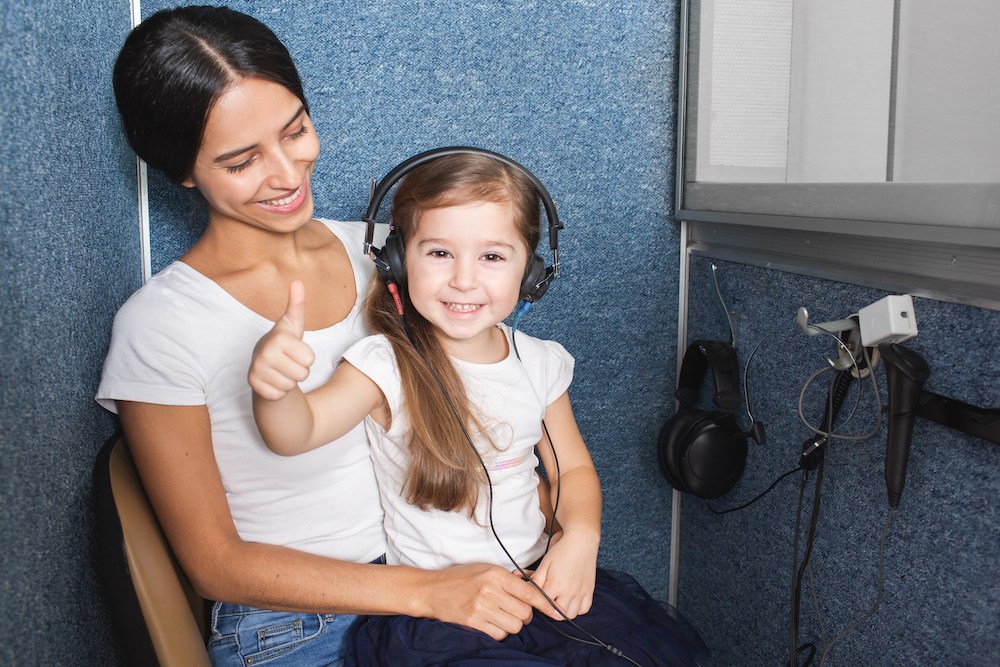
Your hearing evaluation takes place in a specially built sound-treated room designed to eliminate background noise, from street traffic to the hum of the building’s own ventilation system.
The walls and construction are engineered to create a controlled acoustic environment, which means the equipment can detect even the faintest sounds without interference from the world outside.
Because the room removes outside variables so completely, any fluctuations in your results come down to what’s happening inside your ears at that moment. Congestion, fluid buildup or ear fatigue can all show up in ways the equipment will catch.
That’s why showing up rested and feeling well gives your audiologist the clearest, most accurate read on how you actually hear.
You can set yourself up for a successful evaluation with just a few small adjustments before leaving the house. Planning ahead for the day’s conditions helps minimize the physical distractions that might otherwise break your concentration in the testing room.
Checking the local forecast and giving yourself an extra ten minutes to unwind in the lobby can make a noticeable difference in how you feel when the assessment begins.
Consider these quick tips to get ready for your appointment based on the current season:
A good hearing evaluation is a two-way conversation, not just a series of tones in a headset. When you sit down, let the audiologist know how you’ve been feeling, even if it seems minor, like a little congestion or some pressure in your ears.
Did you spend the morning fighting off a barometric headache from a passing rainstorm or dealing with an allergy flare-up? Passing that information along helps your audiologist accurately interpret your results.
These details explain minor variations in your data, preventing temporary environmental issues from being mistaken for permanent changes in your auditory baseline.
Open communication also ensures that any long-term recommendations perfectly match the realities of your daily life. Your lifestyle habits, outdoor hobbies and seasonal routines all play a role in determining what type of care or hearing devices will serve you best.
Getting there a few minutes early helps too, so you’re not walking straight from the parking lot into the sound booth.
Getting a hearing test when you’re in the middle of allergy season or fighting off a sinus headache isn’t necessarily the wrong move, it just means we may be working with a snapshot rather than the full picture.
A good audiologist will always ask how you’ve been feeling and factor that into how your results are interpreted. If something feels off or your results don’t quite match what you’ve been experiencing day to day, that conversation matters just as much as the test itself.
At Advanced Hearing Plus, our Springfield and Eugene offices see patients through every season the Willamette Valley throws at us, and that local experience shapes how we approach every evaluation.
If you’ve been putting off a test because your ears feel congested or your allergies have been acting up, call us at (541) 313-3550 and we can talk through the best time to come in.
Tags: faqs, hearing test results

If you’ve been to a summer concert at Island Park in Springfield,
By: Richard Swanson, BC-HIS | July 26, 2026
If you’ve ever felt like your hearing was “off” during a
By: Richard Swanson, BC-HIS | June 25, 2026
Modern hearing aids have evolved from earlier designs that required
By: Richard Swanson, BC-HIS | January 28, 2026